


Sober living
Effective Treatments for Alcohol Use Disorders
Content
Below is a list of providers and the type of care they may offer. Due to the anonymous nature of mutual-support groups, it is difficult for researchers to determine their success rates compared with those led by health professionals. The FDA lists the following possible side effects for medicines to treat alcohol dependence http://www.gmp-club.com/en/enreg/drugsreg.html and alcohol use disorder. This medication may be able to help those who stop drinking alcohol and need help with cognitive function. Long-term alcohol misuse damages the brain’s ability to function properly. Here are some medications and foods recovering alcoholics should avoid, especially in early sobriety.

What works for one person may not work for another, but a professional can offer guidance. These drugs work by changing how the body reacts to alcohol or by managing its long-term effects. Because it is metabolized by the liver, hepatotoxicity is possible, although uncommon. Patients with AUD may have liver dysfunction; therefore, caution http://weir.ru/index-m-single-id-17-a-jump.html is warranted. When it comes to detoxing from alcohol and early recovery from alcoholism, it is important to remember that alcohol has a direct connection to your body’s ability to metabolize certain nutrients. Therefore, it is absolutely crucial for you to begin feeding your body with the nutrients it needs in order to heal properly.
Alcohol Abuse
However, the most effective treatment for alcohol use disorder is the one that starts with a medical assessment. After that, detox is considered the most important to flush the alcohol out of your body entirely. It allows people to live at a facility during treatment to promote long-lasting recovery. Alcoholism can affect people of all ages, races, gender, and family background.
- The prevalence of unidentified or untreated unhealthy alcohol use remains high.
- While short-term effects may only last a few hours or days, long-term effects may last a lifetime.
- Medications also can deter drinking during times when individuals may be at greater risk of relapse (e.g., divorce, death of a family member).
St. John’s wort is believed to help people stop drinking alcohol, but its effectiveness has not been fully studied. Older studies show St. John’s wort may help to reduce alcohol intake and relieve withdrawal symptoms in animals. This article http://fixour.us/how-to-remove-sharpie-writing/ discusses home remedies that may help when you’re trying to stop drinking alcohol. It explains how herbal remedies and lifestyle changes can relieve mild alcohol withdrawal symptoms and when to seek medical care for alcohol withdrawal.
Care at Mayo Clinic
This is not an uncommon concern, but the short answer is “no.” All medications approved for treating alcohol dependence are non-addictive. These medicines are designed to help manage a chronic disease, just as someone might take drugs to keep their asthma or diabetes in check. People who have alcohol use disorder drink regularly and in large amounts. When their bodies don’t have alcohol, they experience withdrawal symptoms.
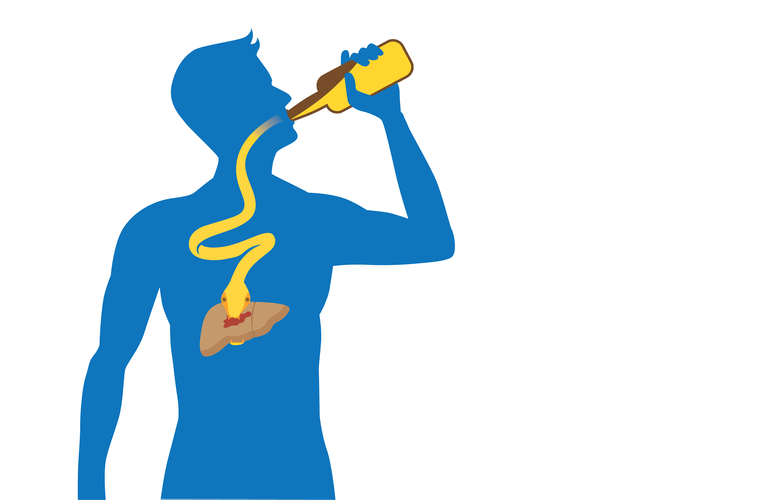
Remember that changing deep habits is hard, takes time, and requires repeated efforts. We usually experience failures along the way, learn from them, and then keep going. Alcohol-related problems—which result from drinking too much, too fast, or too often—are among the most significant public health issues in the United States.
Who is at risk for alcohol use disorder?
Drinking is socially acceptable and available almost everywhere, including restaurants, grocery shops, and sporting events, and is advertised all over. Because of its easy availability and acceptance, alcohol can potentially make a person addicted to it. The causes of alcoholism are just as complex as the disease itself. No one set of rules explains why one individual becomes addicted to alcohol while another does not. “During those first couple of weeks of taking the drug, I was very much focused on not vomiting and making sure I continue to have bowel movements. I just knew alcohol was going to make me feel terrible afterwards.” Meg Johnston’s weight-loss medication has reduced her desire to drink.
